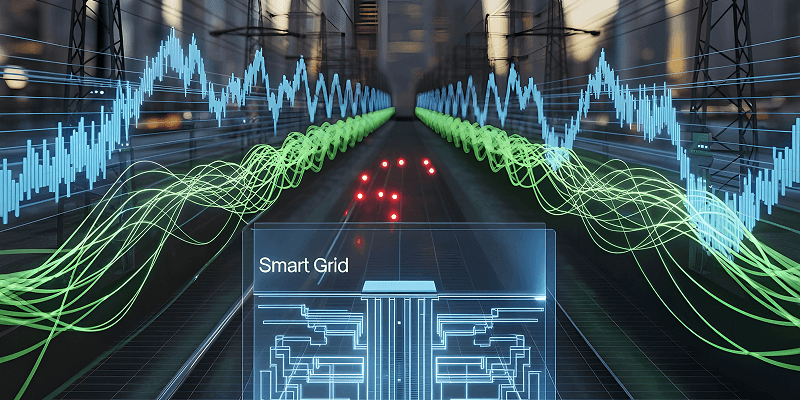
Smarter Grids, Heavier Loads: Can AI Balance Its Own Impact?
By late 2025, artificial intelligence had moved from a peripheral concern to a defining issue for energy systems. What began as debate over rising data centre electricity demand has evolved into a broader question of how digital growth and power infrastructure can co-exist. Energy Considered tracking shows AI mentioned 2,173 times this quarter by its 5,000-strong Key Opinion Leader (KOL) community.
Q4 conversations were dominated by consulting voices and specialist industry media, with attention shifting from general AI adoption to specific sub-themes such as agentic AI and applications in mining and natural resources. Much of the concern centred on surging grid loads and peak stress. The scale of potential grid strain is becoming clearer in forward-looking analysis. Kate (Katherine) Hardin, Executive Director of the Deloitte Research Centre for Energy & Industrials, notes that “by 2035, power demand from AI data centres in the United States could grow more than thirtyfold, reaching 123 gigawatts, up from 4 gigawatts in 2024,” underscoring how rapidly digital infrastructure could reshape electricity systems.