Beyond Intermittency: Can Renewables and Storage Deliver Reliable 24/7 Power? - Quarter 2 2026
Case for tracking:
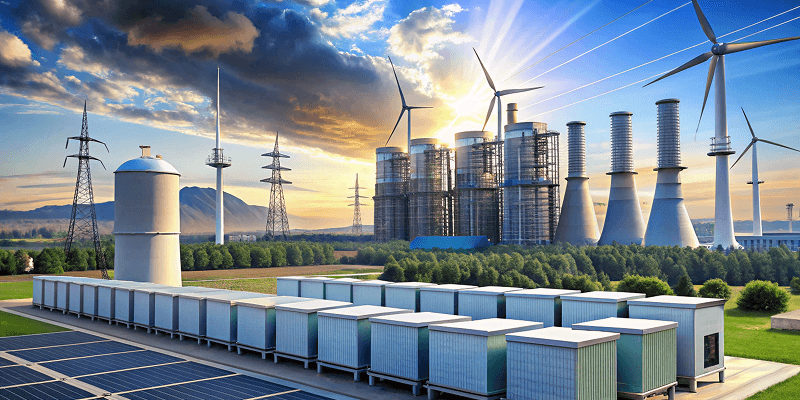
Renewables and storage are increasingly becoming one energy solution rather than two separate stories. Solar and wind capacity continue to grow, but the challenge is now making that power available when and where it is actually needed. Batteries are helping to store excess renewable electricity, reduce curtailment and provide power during peak demand, making renewable projects more useful to increasingly stretched grids. The IEA says growing solar, wind, batteries and concentrated loads such as data centres are making flexibility a central requirement of the power system. This became more important in H1 as AI and data centres pushed electricity demand higher, while grid connections and transmission struggled to keep pace. More than 2,500 GW of renewables, storage and large-load projects are now waiting in grid connection queues globally. In Asia-Pacific, Wood Mackenzie found that data-centre developers are increasingly being asked to provide battery storage and support grid stability before connecting to constrained networks.
The Iran conflict adds another reason to watch this combination. Volatile imported fuel prices have strengthened the value of domestic renewable power that can be stored and used when needed. Now the story is how quickly countries can combine renewables, storage and grid infrastructure to create power that is cleaner, more reliable and less exposed to global fuel shocks.